
Planning Maintenance and Replacement Parts for Shelving Accessories
Plan shelving accessories: connection compatibility, the four checks to record and the maintenance and spare-parts record to prepare before ordering.
- Published
- 2026-09-15
- Content updated
- 2026-10-22
- Reading time
- 3 minutes

Editorial buyer guidance. Read our authorship and sourcing policy.
For shelving accessories, begin with connection compatibility. Compare the slot pattern, dimensions and engagement with the actual host upright. Prepare a maintenance and spare-parts record covering slot pitch, hook profile, rail section, projection. Use the selected surface and component suppliers’ instructions for cleaners and maintenance. Test compatibility as appropriate before routine use; appearance alone does not establish chemical resistance.
Three decisions for your fixture purchase.
- 01
Confirm connection compatibility
- 02
Check slot pitch alongside hook profile
- 03
Prepare the maintenance and spare-parts record
Keep parts and access identifiable: shelving accessories
Retain the fixture reference, drawing revision, finish code and hardware details. Identify removable components and the route to the parts likely to need adjustment, cleaning or replacement. Compare the connection geometry, not just the product name. A label rail may attach to a particular shelf edge while a hook needs a specific hole pattern and material thickness. Record the host fixture model with every accessory line in the order.

Four checks for the maintenance and spare-parts record
Use these checks for hooks, dividers and price holders. Record the value or decision, its evidence and any unresolved point beside the fixture reference.
- slot pitch · Compare the slot pattern, dimensions and engagement with the actual host upright.
- hook profile · Check the hook end and engagement geometry with the intended panel rather than matching appearance alone.
- rail section · Identify the rail cross-section and fixing method before selecting label holders or dividers.
- projection · Include the accessory and supported product in the final occupied depth.

Compare the shelving accessories options
The starting arrangements are Hooks and baskets, Price rails, Dividers and restraints. Compare them for hooks, dividers and price holders using the same maintenance and spare-parts record. Compare the connection geometry, not just the product name. A label rail may attach to a particular shelf edge while a hook needs a specific hole pattern and material thickness. Record the host fixture model with every accessory line in the order.

Worked planning example
Catalog reference R05-033-K lists 1000 × 300 × 25 mm. Shelf configuration Shelf and brackets. Tall modular shelving. For this maintenance check, keep the listed series, arrangement and dimensions together. Check the hook end and engagement geometry with the intended panel rather than matching appearance alone. The catalog record is a comparison basis; it does not establish the dimensions of the photographed reference or the final ordered assembly.
Match the cleaning method to the material
Use the selected surface and component suppliers’ instructions for cleaners and maintenance. Test compatibility as appropriate before routine use; appearance alone does not establish chemical resistance. Include the accessory and supported product in the final occupied depth.
Prevent this shelving accessories mistake
Assuming equal pitch guarantees interchangeable parts. Compare the slot pattern, dimensions and engagement with the actual host upright. Identify the rail cross-section and fixing method before selecting label holders or dividers.
What to send with the maintenance and spare-parts record
Send the selected fixture reference, the marked drawing and the intended use for hooks, dividers and price holders. Include slot pitch and hook profile, then document rail section and projection. State the quantity, destination and any components supplied by others. List alternatives separately so a change of configuration does not silently change the comparison.
Translate the guidance into a specification check.
Use these parameters to record the actual merchandise, clear dimensions and configuration required for the cabinet quotation.
Source: current fixture dimension catalog. Catalog dimensions apply to the named series and arrangement; confirm the selected configuration against the project drawing.

Store 03 · Natural oak convenience store
- Market
- Design reference
- Store format
- Store layout reference
- Project scale
- Project-specific
Challenge
Coordinate hooks, dividers and price holders with connection compatibility.
Planning response
Bring slot pitch, hook profile, rail section, projection onto the fixture review record.
Reference interpretation
The image illustrates an arrangement; installed quantities and site dimensions follow the project brief.
Explore More Store ArrangementsCompare one controlled basis.
Turn the review into an order record.
Use the selected surface and component suppliers’ instructions for cleaners and maintenance. Test compatibility as appropriate before routine use; appearance alone does not establish chemical resistance. Include the accessory and supported product in the final occupied depth. Keep the decision with the selected fixture reference, quantities and drawing revision.
Review FOCUS capabilities →What still needs configuration confirmation.
AI-assisted purchasing guidance with illustrative calculations; project engineering remains configuration-specific.
Prepare the required inputs →Avoid these shortcuts.
- Treating a reference image as an approved production specification.
- Comparing suppliers without identical dimensions, quantities and delivery scope.
- Separating material, lighting or hardware decisions from the drawing revision.
- Leaving packing, local installation and site interfaces undefined.
Before the next approval.
Download this guide and checklist ↓- Slot pitch: Compare the slot pattern, dimensions and engagement with the actual host upright.
- Hook profile: Check the hook end and engagement geometry with the intended panel rather than matching appearance alone.
- Rail section: Identify the rail cross-section and fixing method before selecting label holders or dividers.
- Projection: Include the accessory and supported product in the final occupied depth.
- Attach the maintenance and spare-parts record and the selected drawing revision
- Mark unresolved points and assign a responsible project contact
- Record each open point, owner, due date and required evidence.
Answers to the next practical questions.
01What information is needed for this shelving accessories maintenance check?+
Provide slot pitch, hook profile, rail section, projection, the fixture reference and its drawing revision. Compare the slot pattern, dimensions and engagement with the actual host upright.
02Why should I check connection compatibility?+
Assuming equal pitch guarantees interchangeable parts. Check the hook end and engagement geometry with the intended panel rather than matching appearance alone.
03Does this maintenance and spare-parts record confirm a price or product rating?+
No. It identifies the inputs needed for a configuration review. Dimensions, documented performance, included items, quantities and delivery terms must be confirmed for the selected assembly.
Trace the supporting information.
Current dimension catalog ↗Updated fixture dimensions, series and configuration scope.
Content review policyGuidance published 2026-09-15. Content updated: 2026-10-22. Project engineering approval and physical testing are separate.
Move from research to a fixture specification.
Keep building the specification.

Standardizing Shelving Accessories Across Multiple Stores
For shelving accessories, begin with connection compatibility. Compare the slot pattern, dimensions and engagement with the actual host upright. Prepare a store allocation and revision register covering slot pitch, hook profile, rail section, projection. Link each purchase and package to the released fixture revision. When a connection, finish or equipment interface changes, confirm compatibility and identify which stores and spare parts are affected.
Read next →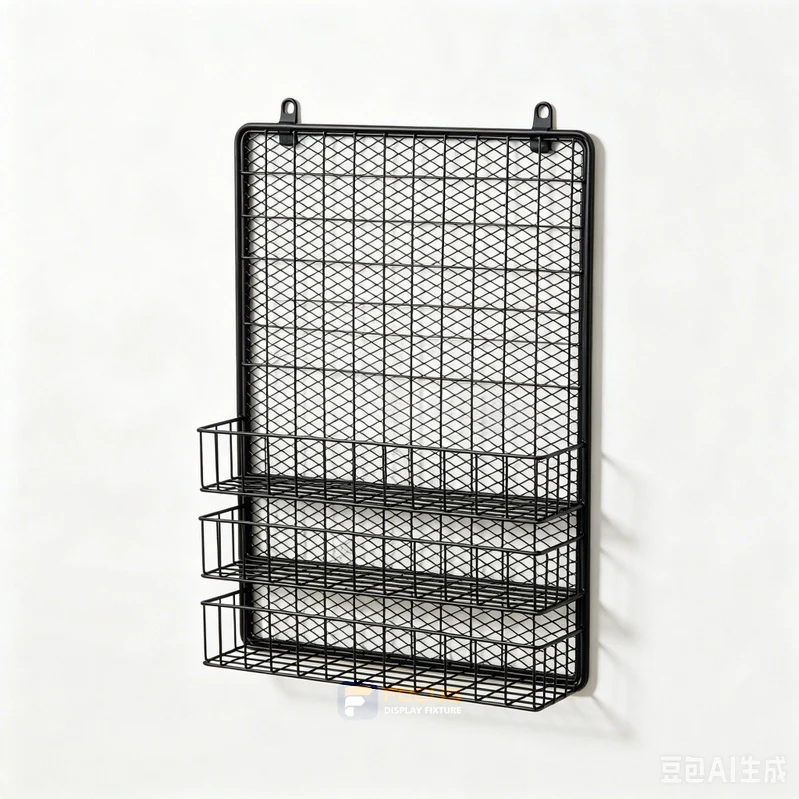
How to Measure Shelving Accessories Before Ordering
For shelving accessories, begin with connection compatibility. Compare the slot pattern, dimensions and engagement with the actual host upright. Prepare a measurement record covering slot pitch, hook profile, rail section, projection. Repeat the critical measurement after finishes and retained equipment are accounted for. Put unresolved dimensions on the drawing as open items rather than using an image estimate.
Read next →
How to Choose the Shelving Accessories Configuration
For shelving accessories, begin with connection compatibility. Compare the slot pattern, dimensions and engagement with the actual host upright. Prepare a configuration comparison covering slot pitch, hook profile, rail section, projection. An attractive individual cabinet may require ends, supports or neighboring fixtures to operate as intended. Review the complete combination and identify components supplied by others.
Read next →Request a configuration for your next fixture order.
Send available dimensions, merchandise package sizes, cabinet quantities, destination and required options. FOCUS can review a specific configuration and quotation scope.
Request a Fixture Quote